
English| EUR
Suggested for you
More currencies
Choose a language
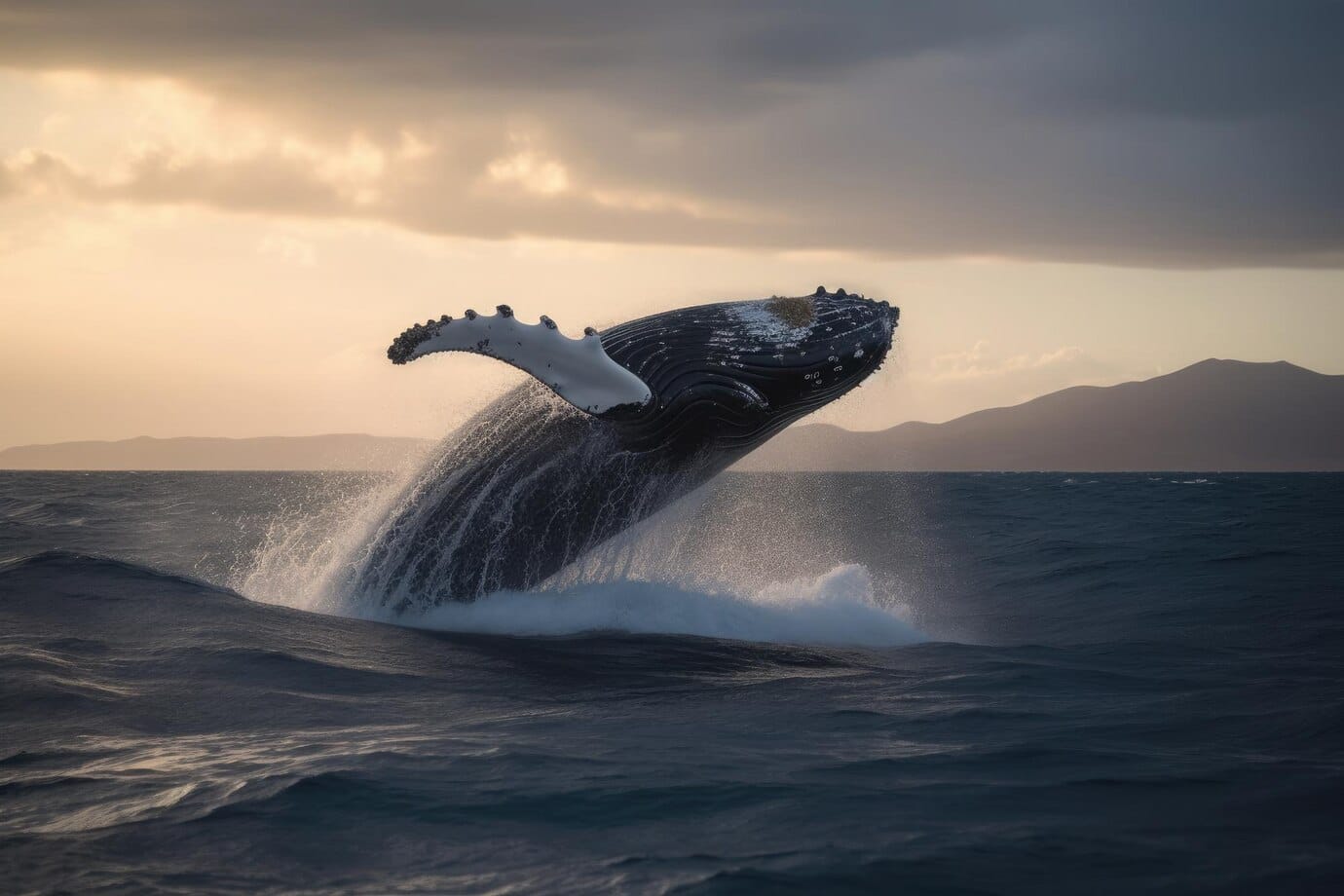
Every winter, thousands of humpback whales migrate from the North Atlantic to the warm, protected waters of Samaná Bay to mate, calve, and nurse their young. The question isn't whether you'll see them—it's when to arrive for the calmest seas, the highest whale density, and the clearest sightings. This guide walks you through the migration window, the peak weeks within it, and the daily rhythms that shape your time on the water.
Quick answer
Humpback whales are visible in Samaná Bay from mid-January through late March, with the highest concentration occurring in February and early March. Morning departures between 08:00 and 09:30 offer calmer waters and less boat traffic, improving your chances of extended whale activity. The bay is accessible seven days a week during the season, and while sightings are common throughout the window, timing your visit to the peak weeks and the first hours of the day yields the most reliable encounters.
More than 2,000 humpback whales pass through Samaná Bay each winter, transforming the calm Caribbean inlet into one of the hemisphere's most dependable breeding grounds. The entire North Atlantic humpback population migrates south between December and April, but the density in Samaná peaks sharply in a six-week corridor that begins in late January and holds through the first half of March. Outside that window, sightings drop and boat operators scale back their schedules. The migration itself follows water temperature and breeding cycles. Humpbacks arrive when surface temperatures in the bay reach 24 to 27 degrees Celsius, conditions that support newborn calves and encourage mating displays. Males sing for hours beneath the surface, their songs audible through boat hulls. Females with calves stay close to shore, often within two kilometers of the northern coastline where the water is shallowest and predation risk lowest. Breaches, tail slaps, and pectoral fin displays occur throughout the day, but morning hours—before wind picks up and before the midday boat surge—offer longer stretches of undisturbed behavior. When can you see whales in Dominican Republic depends not only on the calendar but on sea state and departure timing. Samaná Bay opens to the Atlantic through a narrow channel, and by late morning the wind funnels through, roughening the surface and making it harder to spot blows and dorsal fins. Operators launch from Santa Barbara de Samaná starting at 08:00, and the first boats out often report the steadiest whale activity. The bay remains accessible through 17:00, but afternoon chop and the cumulative presence of dozens of vessels can fragment whale groups and push them toward deeper water. February holds the statistical advantage: whale counts recorded by the Center for the Conservation and Ecodevelopment of Samaná Bay consistently peak in the second and third weeks of the month, when both resident mothers and transient males overlap. Early March extends the high season, though by mid-March the first cohorts begin their northward journey. If your travel window is fixed, mid-January through early March covers the reliable span, and any visit within that range will put you within sight of humpbacks as long as sea conditions cooperate and your departure falls within the morning calm.
“Males sing for hours beneath the surface, their songs audible through boat hulls.”
The humpback whale season in Samaná Bay runs from mid-January to late-March when the whales migrate to these warm waters for breeding and calving. Selecting your visit within this timeframe ensures the highest probability of sighting these marine mammals in their natural habitat.
Warm, 25°C to 28°C average
Peak season for whale migrations and mating activity.
Warm, 25°C to 28°C average
Prime period for frequent surface activity and whale sightings.
—
Calmer waters and reduced boat traffic provide optimal conditions for observing whale behavior.
Verdict: The best time to visit is during weekday mornings between mid-January and late-March to take advantage of calmer water conditions and reduced boat traffic.
Samaná Bay is open daily for whale watching operations. Visitors should plan their arrival to align with the scheduled operating hours.
Access to Samaná Bay is open to the public at no cost. Visitors must engage authorized tour operators for boat access to observe the whales.
Verdict: While bay access is 0 USD, the total cost for whale observation depends entirely on the rates established by individual maritime tour operators.
Whale watching departures are concentrated in Santa Barbara de Samaná, located on the northeastern coast of the Dominican Republic. The most practical approach for international visitors is via Highway 7 (Autopista del Nordeste) or by private transfer services.
Autopista del Nordeste (Route 7) from Santo Domingo
Expreso Bavaro or Caribe Tours to Samaná terminal
Private transfer from El Catey International Airport (AZS)
For the best experience, plan your arrival between 08:00–09:30. Early arrival provides access to calmer morning waters and lower boat traffic, which is advantageous for observing whale activity.
Follow these practical guidelines to ensure a comfortable experience while observing humpback whales in their natural sanctuary.
Take preventative medication at least one hour before departure, as open waters in Samaná Bay can become choppy. Focus on the horizon rather than your camera viewfinder if you feel uneasy.
Bring a waterproof dry bag to shield cameras and electronics from salt spray during the boat transit. Saltwater can corrode sensitive equipment quickly if not properly protected.
Wear a lightweight windbreaker or long-sleeved shirt to protect against sun exposure and cooling sea breezes. Even on warm days, the wind chill on a moving boat is significant.
Maintain a respectful distance and avoid loud noises or sudden movements to minimize stress on the whales. Operators are required to follow specific approach protocols to protect the marine mammal sanctuary.
Wear high-quality polarized sunglasses to cut through surface glare and significantly improve your ability to spot whales below the water line. This allows you to track their movement more effectively before they surface.
Everything you need to know about when can you see whales in dominican republic
You can typically observe humpback whales in Samaná Bay during their migration season, which generally runs from mid-January through March. This period coincides with the annual arrival of these marine mammals to the warm Caribbean waters for breeding and calving. Knowing when can you see whales in dominican republic helps ensure you plan your trip during the active peak season. Please check local schedules to confirm exact seasonal start and end dates as they can vary slightly by year.
The prime time for sightings is between January and March, as this is when the humpback population is at its highest concentration in the sanctuary. Visitors often ask when can you see whales in dominican republic to ensure they align their travel with the natural migration cycles. Outside of these months, the whales have usually migrated back toward northern feeding grounds.
There is 0 USD entrance fee for entry to the bay itself. However, authorized local tour operators charge fees for boat access and guided maritime excursions. These private operators handle the logistics of whale navigation and sanctuary regulations.
The best arrival window for your excursion is 08:00–09:30. Morning hours typically offer calmer waters and less boat traffic for whale activity, providing a better experience for visitors. Arriving during this window ensures you are prepared for your scheduled departure.
Yes, many visitors coordinate directly with local maritime tour providers located in Santa Barbara de Samaná to secure spots on authorized vessels. While there is no entry fee to the bay, you must book with a certified operator to access the whale sanctuary. These professionals are trained to adhere to environmental guidelines that protect the humpback species.
The official whale watching season is regulated by the Ministry of Environment, usually spanning from January 15 to March 31. Researching when can you see whales in dominican republic reveals that this strictly controlled timeframe exists to minimize disturbance to the animals. Always confirm current seasonal directives before booking your transport to the Samaná region.
While the bay is open daily from 08:00–17:00, boat departures are subject to weather conditions and maritime authority approval. Operators may limit the number of vessels near the humpbacks at one time to ensure the safety and comfort of the marine life. Always check with your tour provider regarding specific daily logistics.
Families are welcome to observe the migration, provided they book with reputable operators who prioritize safety and wildlife regulations. It is helpful to understand when can you see whales in dominican republic so you can prepare children for the boat trip during the calmest morning hours. Proper planning ensures a smooth experience for all ages while visiting this natural sanctuary.