
12 hr 30 min
Samaná Peninsula: Whale Watching, Limón Waterfall & Bacardi Island
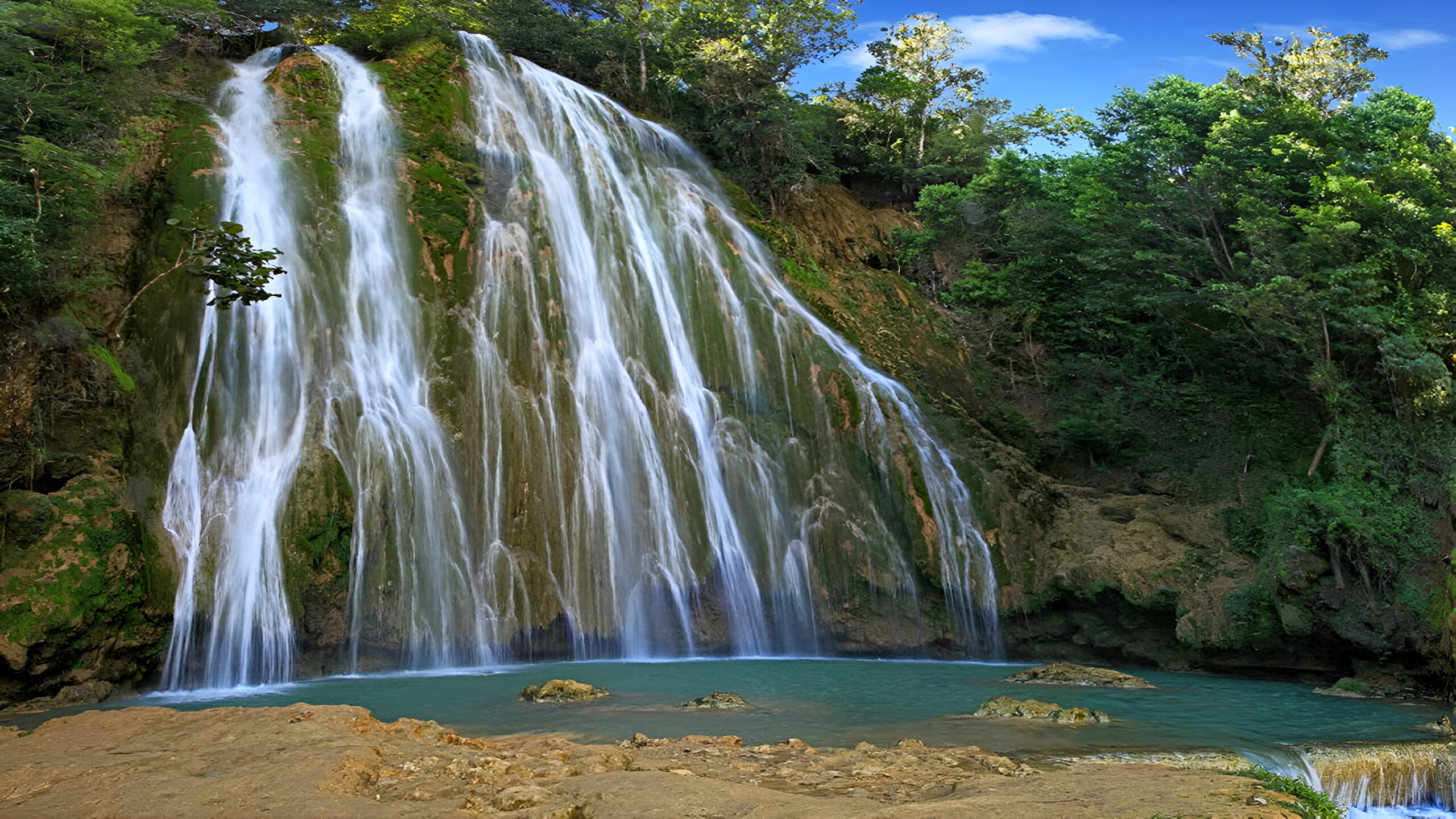
Full-day expedition combining humpback whale encounters, a jungle waterfall adventure, and beach time on a Caribbean gem
Reserve
Hand-picked by our editors — only the best 5 whale-watching packages from 18 operators reviewed
Verified partners for every tour, free cancellation where available, and instant confirmation on every booking.
12 hr 30 min
Full-day expedition combining humpback whale encounters, a jungle waterfall adventure, and beach time on a Caribbean gem
Reserve
11 hr 30 min
Cruise turquoise waters, ride through jungle to a towering cascade, then unwind on a pristine Caribbean island
Reserve
8 hr
Full-day Caribbean escape combining speedboat thrills, a starfish-filled lagoon, and beach time on pristine Saona Island.
ReservePrices from verified partners. Availability updates in real time at checkout. Free cancellation policies apply where shown.
The landmarks, rooms, and views travelers on this tour remember — all visible on a single visit.
This protected area serves as the primary calving ground for North Atlantic humpback whales, hosting over 3,000 individuals during the peak season. Marine biologists often accompany tours to provide data for the national census.
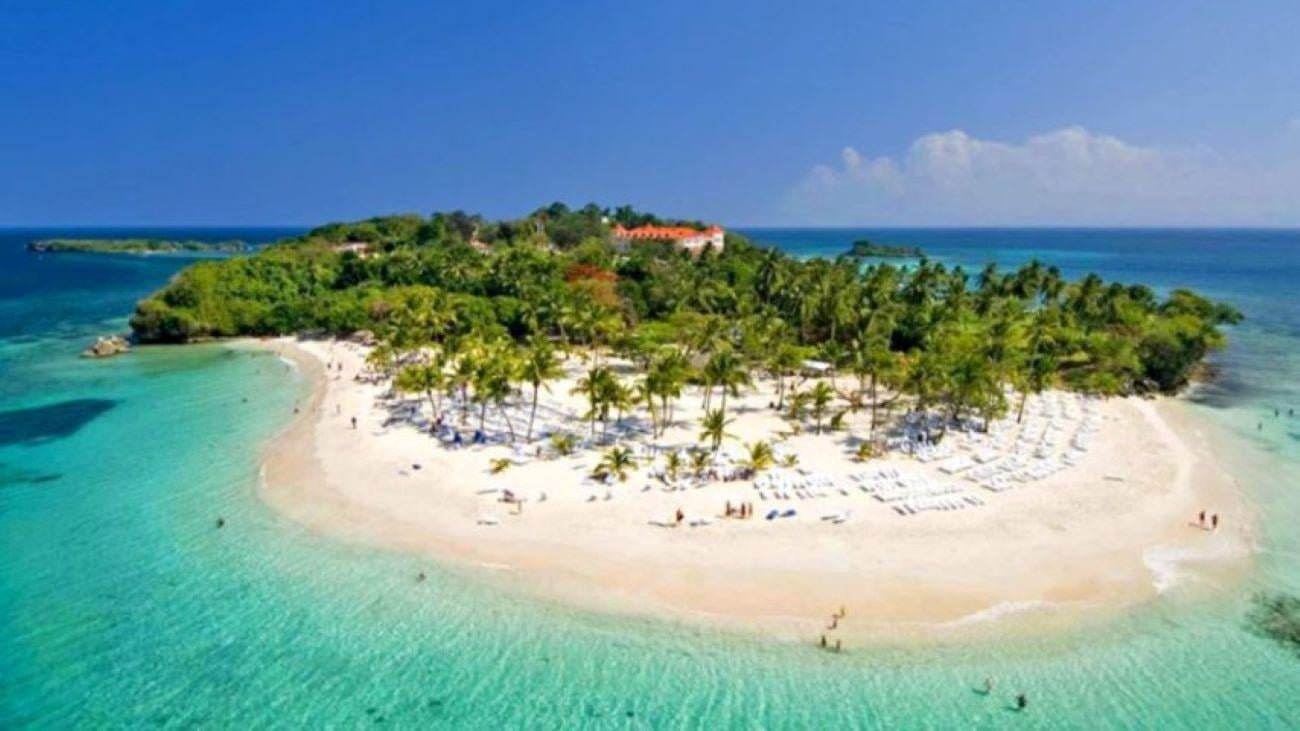
Known locally as Bacardi Island, this small cay features white sands and clear turquoise water. It is a frequent stop for lunch and relaxation after morning boat excursions.
The primary departure point for authorized vessels heading into the bay. It offers views of the historic town and serves as the central hub for local tour operators.
They complement each other; most visitors who do both call the marine wildlife observation the more thrilling choice, whereas the island excursion is better for social relaxation. Selecting the right samana whale watching from punta cana tour depends on whether you prioritize natural sightings or a classic Caribbean beach atmosphere.
| Feature | Top pick Whale Watching | Saona Island |
|---|---|---|
Primary Attraction |
Humpback whales | Beaches and natural pools |
Seasonal Availability |
January to March | Year-round |
Travel Time from Punta Cana |
3.5–4 hours | 1.5–2 hours |
Primary Activity Type |
Wildlife observation | Catamaran and beach party |
Crowd Levels |
Moderate | High |
Key Experience |
Marine mammal encounter | Caribbean coastal leisure |
| See tickets → |
Verdict: Choose samana whale watching from punta cana tickets for unique seasonal nature encounters, or opt for Saona Island if you prefer a consistent beach experience with fewer long-distance travel requirements via samana whale watching from punta cana tours.
Choose your ticket, select your date, and reserve in under two minutes. Secure checkout handled by our verified partner.
Instant confirmation by email, with a mobile voucher you can save offline. No printing, no queuing at a collection desk.
Arrive at the entrance, show your voucher on your phone, and walk in. Most tickets include priority or skip-the-line access.
Practical details for your visit straight from our verified partners — hours, access, rules, and how to get there.
Wear comfortable, light clothing and bring a waterproof jacket. Sandals or water shoes are recommended for boat and beach activities.
Bring only small, waterproof bags for your belongings. Security procedures are standard for maritime excursions and operated by licensed boat crews.
Cameras with zoom lenses are highly recommended for capturing marine life. Use protective housings to shield equipment from saltwater spray during samana whale watching from punta cana.
Some operators provide ramp access for boats, but infrastructure varies. Confirm mobility requirements directly with the provider for your samana whale watching from punta cana tour.
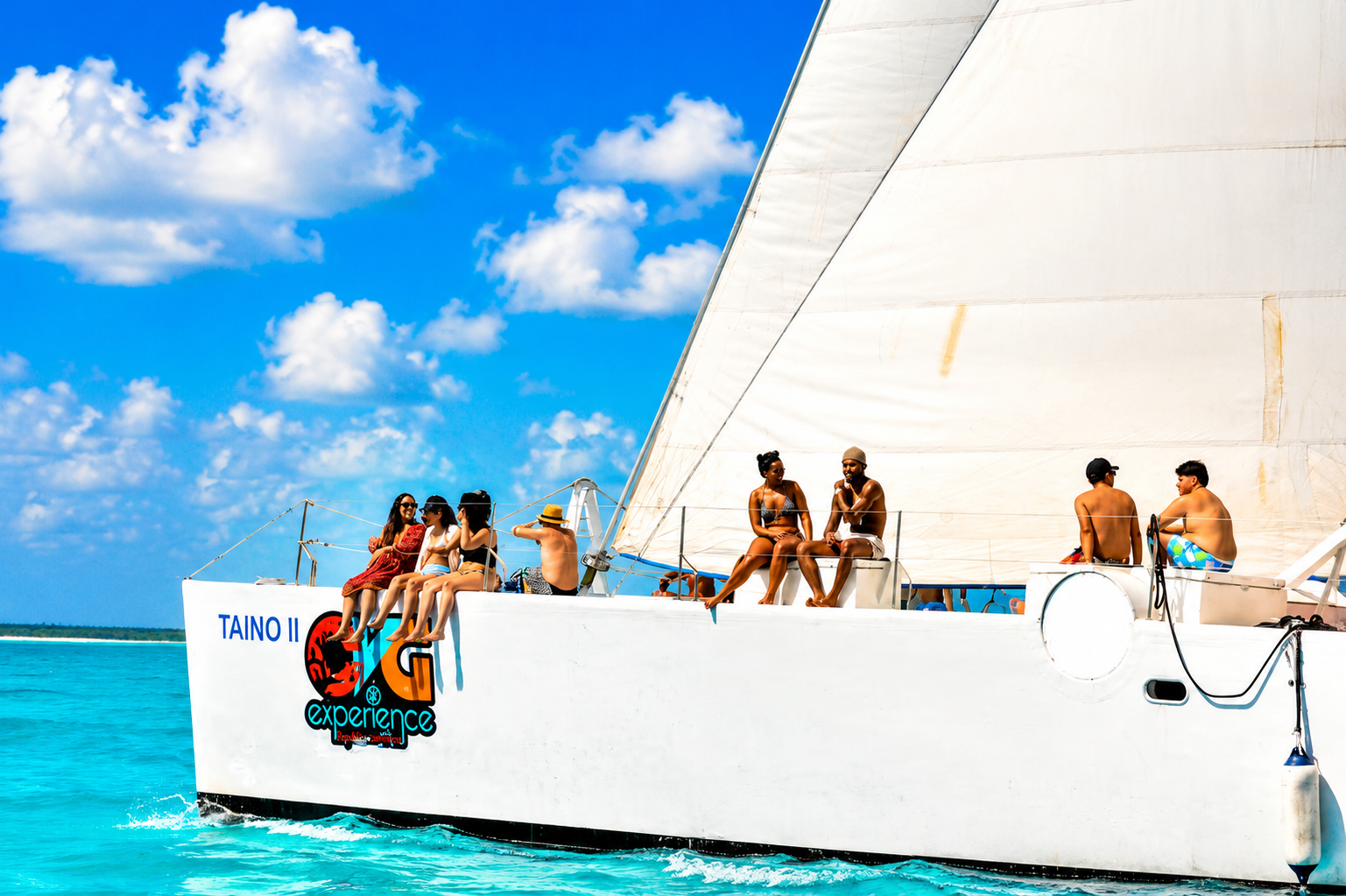
Children are welcome on most catamarans, though age restrictions may apply. Ensure infants have proper safety gear and sit on laps during the transit for samana whale watching from punta cana tickets.
Most tours include snacks or buffet lunches on Cayo Levantado. Open bars featuring water, soda, and local beverages are standard on samana whale watching from punta cana excursions.
Best time to go, insider tips, nearby landmarks, and the cancellation fine print — flip through to skim what matters to you.
Flexible, no hidden fees.
Full refunds are typically available for cancellations made at least 24 hours in advance. There is 0 USD direct gate fee as costs are included in samana whale watching from punta cana tours.
Between mid-January and late March each year, roughly fifteen thousand humpback whales converge on Samaná Bay to mate, calve, and nurse in water that rarely drops below twenty-four degrees Celsius. The ninety-kilometre bay forms the largest calving sanctuary in the North Atlantic, sheltered by the Samaná Peninsula to the north and Miches coastline to the south. Marine biologists first documented the population in the nineteen-seventies; by 1986 the Dominican government declared the bay a marine mammal sanctuary, one of the earliest such protections in the Caribbean. Humpbacks arrive after a five-thousand-kilometre journey from feeding grounds off Greenland, Iceland, and the Gulf of Maine. Males perform elaborate songs—repeating patterns of moans, cries, and chirps that can last thirty minutes and carry twenty kilometres underwater—to establish territory and attract females. Calves born in the bay measure four to five metres at birth and gain forty-five kilograms daily on milk that is fifty percent fat. Surface activity peaks in February: breaches, tail slaps, pectoral fin waves, and spy-hops occur dozens of times per hour during high-activity windows. Samana whale watching from punta cana operates as a full-day overland and marine combination, linking the resort corridor to the sanctuary via a three-hour northbound drive through the Cordillera Oriental. Most operators depart Punta Cana between six and seven in the morning, reaching the port towns of Santa Bárbara de Samaná or Sánchez by mid-morning. Vessels range from fibreglass lanchas seating twelve passengers to forty-seat catamarans; all are required to cut engines within fifty metres of whales and maintain no-wake speed inside the sanctuary perimeter. The Dominican Navy and the Center for the Conservation and Ecodevelopment of Samaná Bay enforce a vessel cap of thirty boats on the water simultaneously, rotating departure slots among licensed operators. Captains communicate sightings by VHF radio, but boats are prohibited from encircling a pod or approaching calves directly. On-board naturalists, many trained through the Autonomous University of Santo Domingo's marine biology programme, provide real-time species identification and explain behaviours as they unfold. Tours returning to Punta Cana typically include a stop at El Limón waterfall or Bacardí Island—a sand cay off the peninsula's northern tip—converting the excursion into a twelve-hour circuit that bridges three ecosystems in a single departure.
"Males perform elaborate songs that can last thirty minutes and carry twenty kilometres underwater."
A step-by-step walkthrough of the visit — what you'll see, how long each stage takes, and the details that matter.
Your transfer leaves Punta Cana in darkness, headlights sweeping through cane fields and foothills as the highway climbs toward the Cordillera Oriental. Two hours in, roadside fruit stalls appear; the driver stops for coffee and empanadas while the sky lightens over coconut groves. You reach the port by nine, where a fibreglass boat waits at a concrete pier, life vests stacked on benches. The captain idles out of the marina, then opens the throttle once you clear the jetty. Samaná Bay spreads wide and flat, the peninsula's green ridge rising to the north. Ten minutes offshore the engine cuts to a burble. The naturalist points left: a dark hump surfaces thirty metres away, exhales a vertical spout, and rolls forward, the dorsal fin slicing past before the tail flukes lift clear and slide under. You watch the spot. Forty seconds later the whale surfaces again, closer now, blowing a cloud of vapour that drifts downwind. A second animal breaches a hundred metres south—full body airborne, twisting, crashing sideways in a white eruption. The radio crackles; three boats converge slowly from the east. For the next two hours you move between sightings: a mother and calf logging at the surface, the calf's pale flukes resting on the mother's rostrum; a competitive pod of five males jostling in tight formation; a lone singer whose low-frequency pulses vibrate through the hull.
The official season for samana whale watching from punta cana is January 15 to March 31.
There is 0 USD direct gate fee for the sanctuary as costs are included in your tour operator packages.
Yes, you can secure samana whale watching from punta cana tickets through authorized online operators.
Age limits depend on the specific tour operator, though most allow families; verify with the provider.
A typical samana whale watching from punta cana tour lasts about 3 hours excluding travel time from the city.
Yes, the best arrival window is 08:00–10:00 to ensure calm waters and better whale activity.
Most operators allow cancellations up to 24 hours before the activity for a full refund.
Yes, samana whale watching from punta cana is a popular educational experience for families.
We recommend bringing seasickness medication or using acupressure bands during your samana whale watching from punta cana.
Photography is highly encouraged; just ensure you have a waterproof bag for your equipment.